


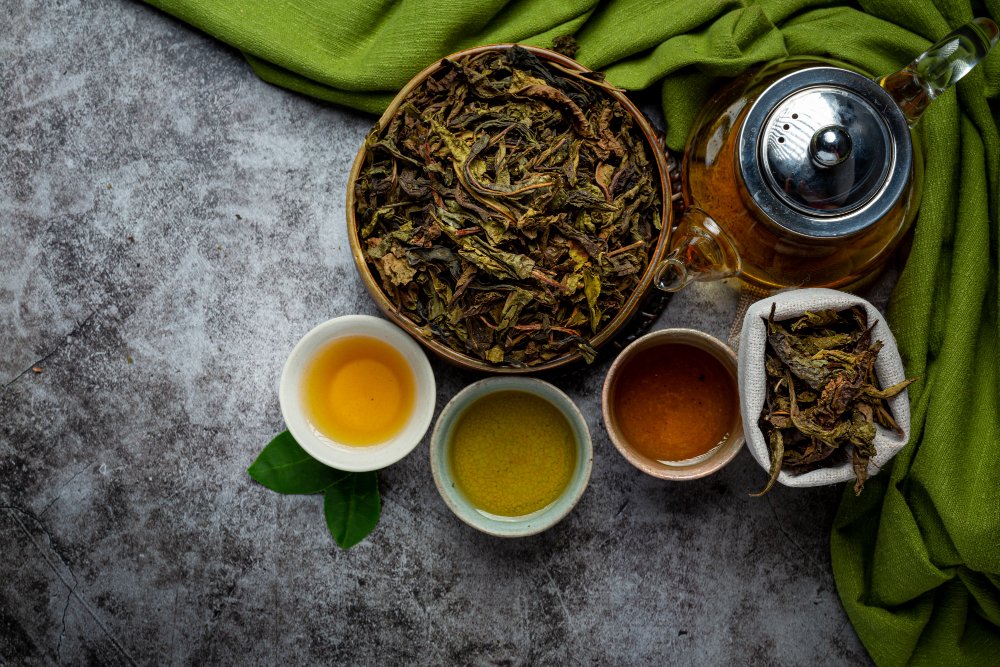
Q Darjeeling tea is often referred to as the “Champagne of Teas” because of its exceptional quality, distinctive flavor, and limited production. Grown in the foothills of the Himalayas in West Bengal, India, Darjeeling tea is harvested in different seasons, known as “flushes.” Among these, First Flush and Second Flush Darjeeling Tea are the most sought-after by tea lovers around the world.
If you’re new to Darjeeling tea or wondering which flush best suits your taste, this guide will help you understand the differences between First Flush vs Second Flush Darjeeling Tea so you can choose the perfect cup.
What Is a Tea Flush?
A “flush” refers to the period during which tea leaves are harvested. Weather, temperature, rainfall, and growing conditions all influence the flavor, aroma, and appearance of the tea.
The two most popular harvests are:
- First Flush: Harvested from late February to April.
- Second Flush: Harvested from May to June.
Each flush produces tea with its own unique characteristics, making both highly valued among tea enthusiasts.
What Is First Flush Darjeeling Tea?
First Flush Darjeeling Tea is the first harvest after the winter dormancy of the tea plants. The young, tender leaves produce a tea that is delicate, fresh, and aromatic.
Characteristics of First Flush Tea
- Light golden liquor
- Floral and grassy aroma
- Fresh, crisp taste
- Bright and lively flavor
- Delicate body
Many tea lovers describe First Flush as refreshing and elegant, making it ideal for those who enjoy lighter teas with subtle complexity.
What Is Second Flush Darjeeling Tea?
Second Flush Darjeeling Tea is harvested after the tea bushes have had more time to mature under warmer weather. The leaves develop richer flavors and greater depth.
One of its defining features is the famous muscatel flavor, a naturally sweet, fruity taste that has made Darjeeling tea famous worldwide.
Characteristics of Second Flush Tea
- Rich amber liquor
- Full-bodied flavor
- Sweet muscatel notes
- Smooth finish
- Stronger aroma
Second Flush is often considered the classic Darjeeling tea because of its signature taste and balanced richness.
First Flush vs Second Flush Darjeeling Tea
Understanding the differences can help you choose the tea that matches your preferences.
| Feature | First Flush | Second Flush |
|---|---|---|
| Harvest Season | Late February–April | May–June |
| Flavor | Fresh, floral, grassy | Rich, fruity, muscatel |
| Liquor Color | Pale golden | Deep amber |
| Body | Light | Medium to full |
| Aroma | Delicate and floral | Sweet and fruity |
| Best For | Refreshing daytime tea | Rich afternoon or evening tea |
Both varieties are premium teas, but they appeal to different tastes and occasions.
Which Darjeeling Tea Should You Choose?
Choose First Flush Darjeeling Tea if you:
- Prefer light and refreshing teas.
- Enjoy floral aromas.
- Like delicate flavors with minimal bitterness.
- Want a tea for morning or early afternoon.
- Appreciate subtle tasting notes.
First Flush is perfect for tea drinkers who enjoy a crisp and elegant cup.
Choose Second Flush Darjeeling Tea if you:
- Prefer richer, fuller-bodied tea.
- Enjoy fruity and naturally sweet flavors.
- Love the famous muscatel character.
- Want a satisfying afternoon tea.
- Prefer a stronger tea without excessive bitterness.
Second Flush offers a more robust and memorable drinking experience.
Which Flush Has More Health Benefits?
Both First Flush and Second Flush Darjeeling Tea contain beneficial antioxidants known as polyphenols, which may help support overall wellness.
Potential health benefits include:
- Rich in antioxidants
- Supports heart health
- May improve digestion
- Helps reduce oxidative stress
- Contains natural caffeine for gentle energy
- Supports mental alertness
The nutritional differences between the two flushes are relatively small, so your choice should primarily depend on flavor preferences rather than health benefits.
How to Brew Darjeeling Tea
Proper brewing brings out the best flavors in both flushes.
First Flush Brewing Tips
- Water temperature: 80–85°C
- Steep time: 2–3 minutes
- Use fresh filtered water
Avoid boiling water, as it may overpower the delicate flavors.
Second Flush Brewing Tips
- Water temperature: 90–95°C
- Steep time: 3–4 minutes
- Adjust steeping time according to taste
The slightly higher temperature helps extract the richer muscatel notes.
Can You Drink Both?
Absolutely. Many tea enthusiasts keep both First Flush and Second Flush Darjeeling Tea in their collection.
A common preference is:
- Morning: First Flush for its refreshing, light taste.
- Afternoon or Evening: Second Flush for its fuller body and rich aroma.
Having both allows you to enjoy different flavor experiences throughout the day.
Final Thoughts
When comparing First Flush vs Second Flush Darjeeling Tea, there is no single winner—only different experiences. First Flush delights with its fresh, floral, and delicate profile, while Second Flush impresses with its rich body and signature muscatel sweetness.
If you enjoy light, elegant teas, First Flush is an excellent choice. If you prefer a deeper, more complex flavor, Second Flush is likely to become your favorite.
The best way to decide is to try both. Exploring the unique character of each harvest is part of what makes Darjeeling tea one of the world’s most celebrated teas.

